

Choosing the right filling for a pouf is essential to ensure comfort and durability while considering environmental aspects. Several filling options exist on the market, each with their strengths and limitations. To find the ideal material, it is important to carefully compare their characteristics based on key criteria such as price, durability, comfort, and environmental impact.
Classic foam filling: economical but durable?
Classic foam is the most common type of filling used to stuff a pouf. Its popularity is due to its affordable cost and ease of use. However, this material has both strengths and limitations:
- Advantages: affordable budget, excellent support, good longevity (up to 7 to 10 years depending on chosen density).
- Disadvantages: low breathability, aging may come with a gradual loss of comfort, limited recyclability.

Today, for intensive use and long-term comfortable seating, it is recommended to choose a density above 35 kg/m³. Below this value, the foam may sag after only 2 or 3 years of daily use.
Recycled polystyrene beads: an ecological alternative
Recycled polystyrene beads are an excellent solution to combine comfort and environmental respect. These lightweight and malleable beads perfectly conform to the user’s body shape:
- Strengths: lightweight making the pouf easy to move, excellent ergonomics adapting to all sitting positions, great durability if refilled regularly.
- Weaknesses: natural slight settling requiring adding beads after a few years of use (about every 2-3 years), characteristic noise that may bother some users.
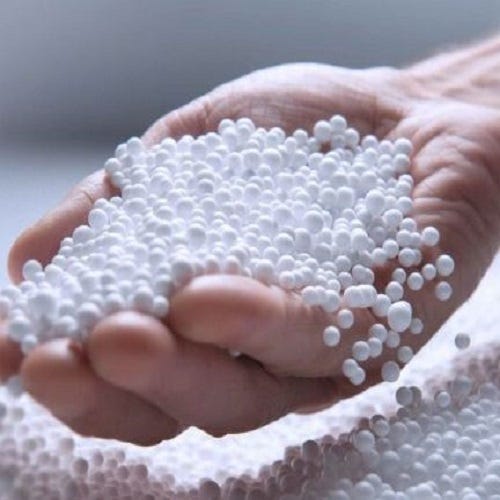
From an ecological standpoint, using recycled polystyrene beads significantly reduces the carbon footprint of the final product compared to conventional fillings made from new foam. According to some studies, using recycled materials can cut emissions related to pouf production by up to 30%.
In summary, depending on your priority criteria (ecological, economical, or premium comfort), the choice of the ideal filling will differ. Now it's up to you to find the right balance that truly meets your expectations and environmental convictions.
Pouf filling: How to choose the ideal material? Advantages and disadvantages of different materials
Choosing a filling material for a pouf requires careful thought to ensure comfort, durability, and ease of maintenance. Each material has its own characteristics that should be carefully analyzed according to your personal criteria and the intended use of the pouf. Let’s explore together the advantages and limitations of the two most popular options: polystyrene beads and memory foam.
Polystyrene beads, practicality and lightness
Polystyrene beads are currently the number one choice for pouf filling, mainly due to their exceptional lightness and ability to harmoniously conform to the body’s shape. These beads provide smooth support, instantly adjusting to every change in position, which improves seat ergonomics. Additionally, this material gives poufs unmatched ease of movement, ideal for quickly adapting interior decoration and layout.
However, a few drawbacks should be noted regarding polystyrene beads:
- Tends to compress over time (a refill is needed approximately every 2 years depending on usage intensity).
- Significant ecological impact, as they are made from plastic, a non-recyclable and non-biodegradable material.
So choose this material if you primarily want to prioritize lightness and ease of handling.
Memory foams, maximum comfort
An interesting alternative to beads, memory foam offers optimal comfort thanks to its adaptive properties. It precisely molds to the body’s shape by evenly distributing weight, significantly reducing joint pressure and enhancing relaxation during use. Highly valued for making lounge furniture designed for relaxation, this foam ensures a long lifespan for your pouf with excellent shape retention over several years (average lifespan of 5 to 7 years).
Despite its many benefits, it does have some drawbacks:
- Heavier than polystyrene beads, making transportation more difficult.
- Higher overall cost (often 30% more expensive).
If long-term comfort and lasting investment are your priorities, memory foam is undoubtedly the best filling solution for your pouf.
Which filling should you choose for stuffing a pouf? Advantages and disadvantages of different materials
Choosing the right filling for a pouf directly affects its comfort, durability, and ecological impact. Each material has specific advantages that must be carefully considered based on its intended use and environment. Here's a quick overview of natural options for optimal everyday comfort.
Natural filling: wood chips and spelt husks
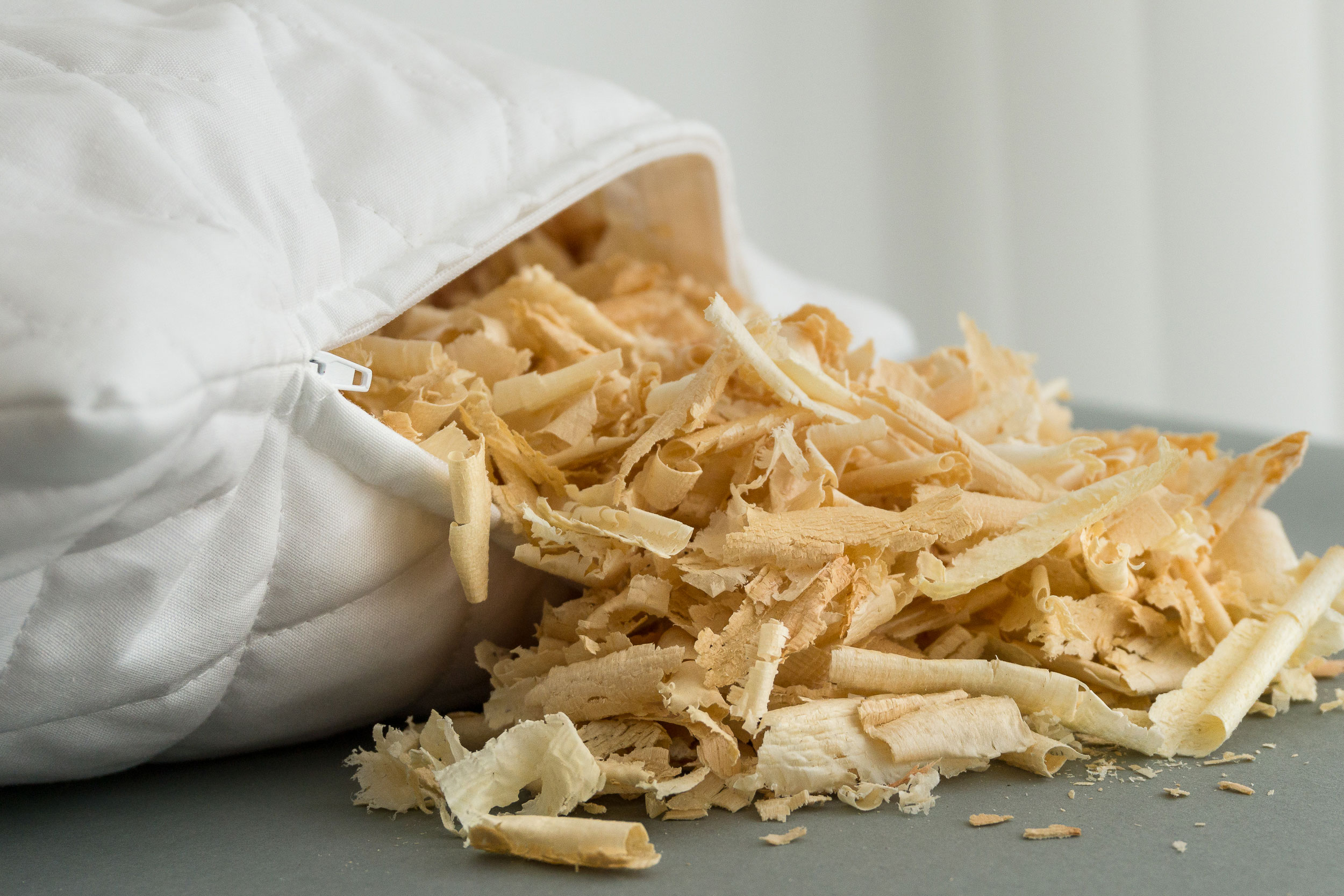
Eco-friendly and recyclable, wood chips and spelt husks form a sustainable alternative as natural filling for poufs or cushions. They provide effective support, conforming to the body’s shape while ensuring optimal ventilation. Wood chips like pine or cedar also have pleasant olfactory properties, ideal for enhanced sensory relaxation.
- Advantages: excellent seating comfort, biodegradable, breathable, allergy reduction, pleasant natural scent.
- Disadvantages: may slightly lose their suppleness over time, slight noise during frequent movements.
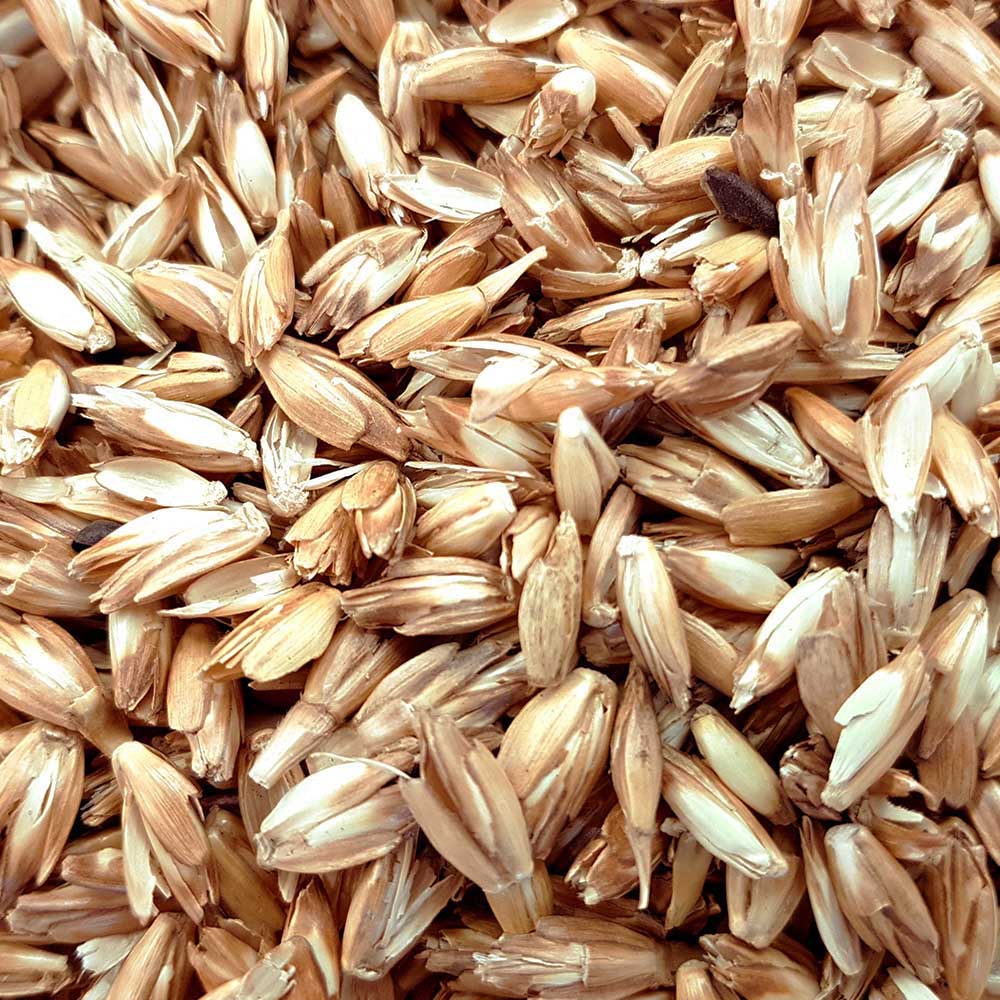
As for spelt husks, they are a particularly recommended filling for people suffering from joint pain or posture problems. According to several ergonomics specialists, this natural filling could reduce muscle tension by up to 40% thanks to a personalized adjustment to each body shape.
Durability and Maintenance of Natural Materials
The durability of natural filling largely depends on the type of use and the care it receives. Generally, a pouf filled with wood chips or husks can maintain optimal comfort for 3 to 6 years without major refilling, which represents a respectable lifespan for fully natural products.
| Material | Estimated lifespan | Recommended maintenance |
|---|---|---|
| Wood chips | 3 to 5 years | Air regularly, partially replace every 2 years |
| Spelt husks | 4 to 6 years | Expose to sunlight to avoid moisture, partial renewal every 3 years |
To optimize maintenance, it is recommended to equip the pouf with a cover that is easy to machine wash, providing long-lasting protection for the natural filling against stains and moisture infiltration. Additionally, choose a dry and regularly ventilated location to prevent any issues with mold or harmful insects.
Choosing the Best Filling Material for a Pouf: Advantages and Disadvantages of the Different Available Materials
The choice of filling for a pouf greatly influences its comfort, durability, and maintenance—an essential piece of furniture in our living rooms. Today, several types of filling materials are available on the market, each with its own characteristics, such as polystyrene beads, synthetic fibers, or natural materials like wool or cotton. These different materials offer varied sensations and come with advantages and disadvantages to know before your purchase. Here is a table summarizing their main features:
| Material | Durability | Comfort | Maintenance |
|---|---|---|---|
| Polystyrene beads | Good (3-5 years) | Firm, good support | Easy but not washable |
| Synthetic fibers | Very good (5-8 years) | Soft and fluffy | Machine washable |
| Wool or cotton | Average (2-4 years) | Natural, thermoregulating | Delicate, sensitive to moisture |
Each material suits specific uses and depends on your personal criteria. Choosing the right material ensures a better user experience and improves the overall durability of your furniture.
The benefits of synthetic fiber filling
Among the many options available to fill your pouf, synthetic fibers stand out for several significant benefits. First, they offer superior comfort thanks to their softness and morphological adaptability. Whether you are sitting or lying down, the filling adjusts effectively to your body, maintaining excellent support while providing a pleasant tactile sensation.
Another major advantage: ease of maintenance. Unlike natural materials or polystyrene beads, synthetic fibers can generally be machine washed at low temperatures (30 to 40°C). They also dry quickly in the open air, reducing issues with moisture or unpleasant odors.
- Maximum and consistent comfort no matter the sitting position
- Easy and regular maintenance (machine washable)
- Increased durability (about 5 to 8 years depending on use)
- Hypoallergenic, they are suitable for sensitive individuals
Finally, their excellent lifespan is a significant advantage: expect between 5 to 8 years depending on usage intensity. In summary, synthetic fibers are among the most recommended materials to ensure longevity, comfort, and easy maintenance for your pouf.