

Choosing the right fabric for your beanbag is essential for creating a harmonious atmosphere in your home. The type of textile affects the comfort, appearance, and durability of your furniture. Various criteria should be assessed, such as the intended room, decor style, and required maintenance. Discover the key factors here to guide you effectively in your selection.
Minimalist fabrics for streamlined interiors
Minimalist decor is characterized by the simplicity and subtlety of its elements. Therefore, it is best to choose fabrics with simple textures and neutral or monochrome shades. Linen is an excellent option thanks to its natural, elegant, and discreet appearance. In addition, soft and understated cotton is perfectly suited to this type of decor. These natural textiles offer a refined look while remaining highly practical to maintain.
- Linen: understated, natural appearance, ideal in a living room with neutral tones.
- Cotton: easy care, soft texture, optimal seating comfort.
- Polyester: high durability, affordable price, minimal maintenance.
For a minimalist style, linen and cotton are very common choices. These natural materials add real value, particularly through their timeless appearance and enhanced comfort. Their clean look creates greater harmony with Scandinavian furniture or bright, open spaces without visually overwhelming the room.
In summary, to preserve a minimalist interior, choose fabrics in neutral colors with understated textures. A carefully considered choice will complement your chosen style harmoniously while ensuring everyday practicality and lasting appeal.
How to choose the fabric for your beanbag: criteria based on your household
Choosing the fabric for your beanbag is an essential strategic decision, as the cover will determine its comfort, maintenance, durability, and appearance over time. Important criteria include its intended use, its planned location (indoors or outdoors), ease of maintenance, and the desired style suited to your interior decor. For high-traffic rooms such as the living room or playroom, ease of maintenance often takes precedence over appearance.
Selection criteria based on household needs
To select the ideal fabric for your beanbag effectively, consider the following criteria based on your family profile:
- Families with young children: choose fabrics that are easy to clean and stain-resistant, such as microfiber or stain-treated fabrics.
- Pet owners: the fabric must be robust, snag-resistant, and able to withstand claws, such as synthetic fabrics (polyester) or cotton-polyester blends.
- Heavy use: choose wear-resistant fibers such as high-quality faux leather or chenille fabric, known for its durability and pleasant feel.
- Decorative beanbag: choose luxurious fabrics such as velvet or linen, perfect for complementing an attractive and welcoming space.
What fabric should you choose for an outdoor beanbag?
When choosing fabric for outdoor use, additional technical specifications are required. An outdoor beanbag will be exposed to the elements (sun, rain, and wind). Therefore, it is important to prioritize:
- Waterproof or water-repellent fabrics: coated polyester, waterproof technical fabrics (Sunbrella®), to prevent water from penetrating inside.
- UV resistance: to preserve your outdoor beanbag’s colors for several seasons, choose a material with integrated UV protection.
- Easy care: synthetic fabrics such as acrylic or polypropylene are easy to clean with soapy water.
By following these specific recommendations and adapting your choice of fabric to its intended use, you will give your beanbag a longer lifespan, greater everyday practicality, and an appealing look that lasts.
Cotton and linen: natural materials, advantages and limitations
Selecting the right fabric for your beanbag is essential to ensure optimal comfort and long-lasting durability. Given the wide range of materials available, it is crucial to understand their characteristics to make a choice suited to your interior design and lifestyle. Discover in this guide the benefits and drawbacks of today’s leading fabrics: cotton and linen.
Advantages and disadvantages of cotton
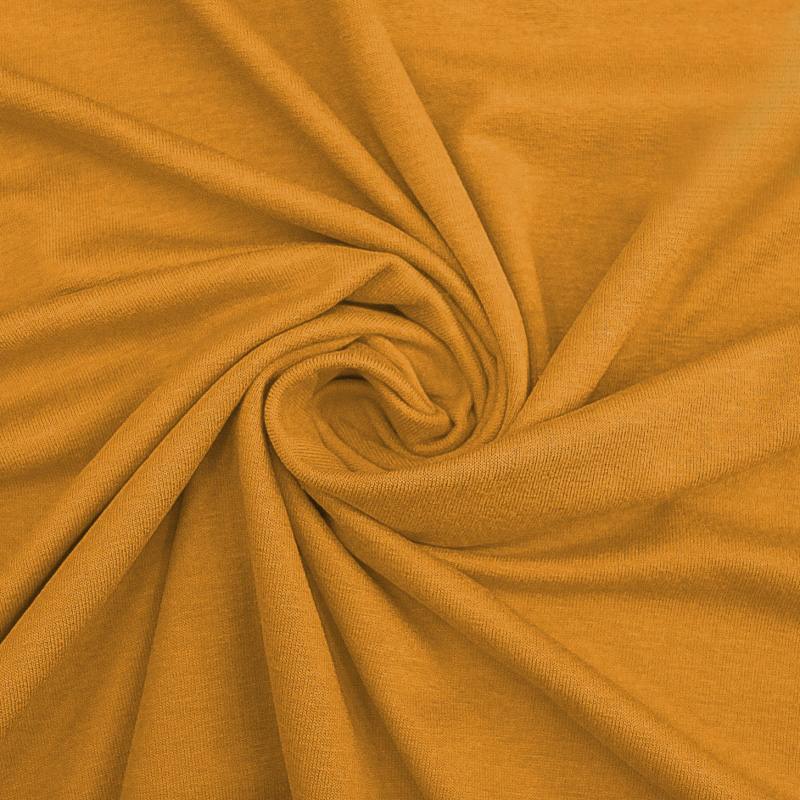
Cotton is a plant-based fiber particularly valued for its comfort, natural softness, and easy care. It is a breathable material suitable for people with sensitive skin. The main advantages of cotton include:
- Easy care: machine washable and easily withstands frequent washing, making it ideal for families with children or pets.
- Natural fiber: soft to the touch, often appreciated by people with sensitive skin.
- Affordable price: generally offers excellent value for money, making this fabric accessible to all budgets.
However, this fiber also has some drawbacks:
- Susceptibility to stains: although washable, certain persistent stains (wine, oil) require immediate special treatment.
- Long-term wear: intensive daily use can cause the fabric to fade quickly and wear out prematurely.
Linen: comfort and natural elegance
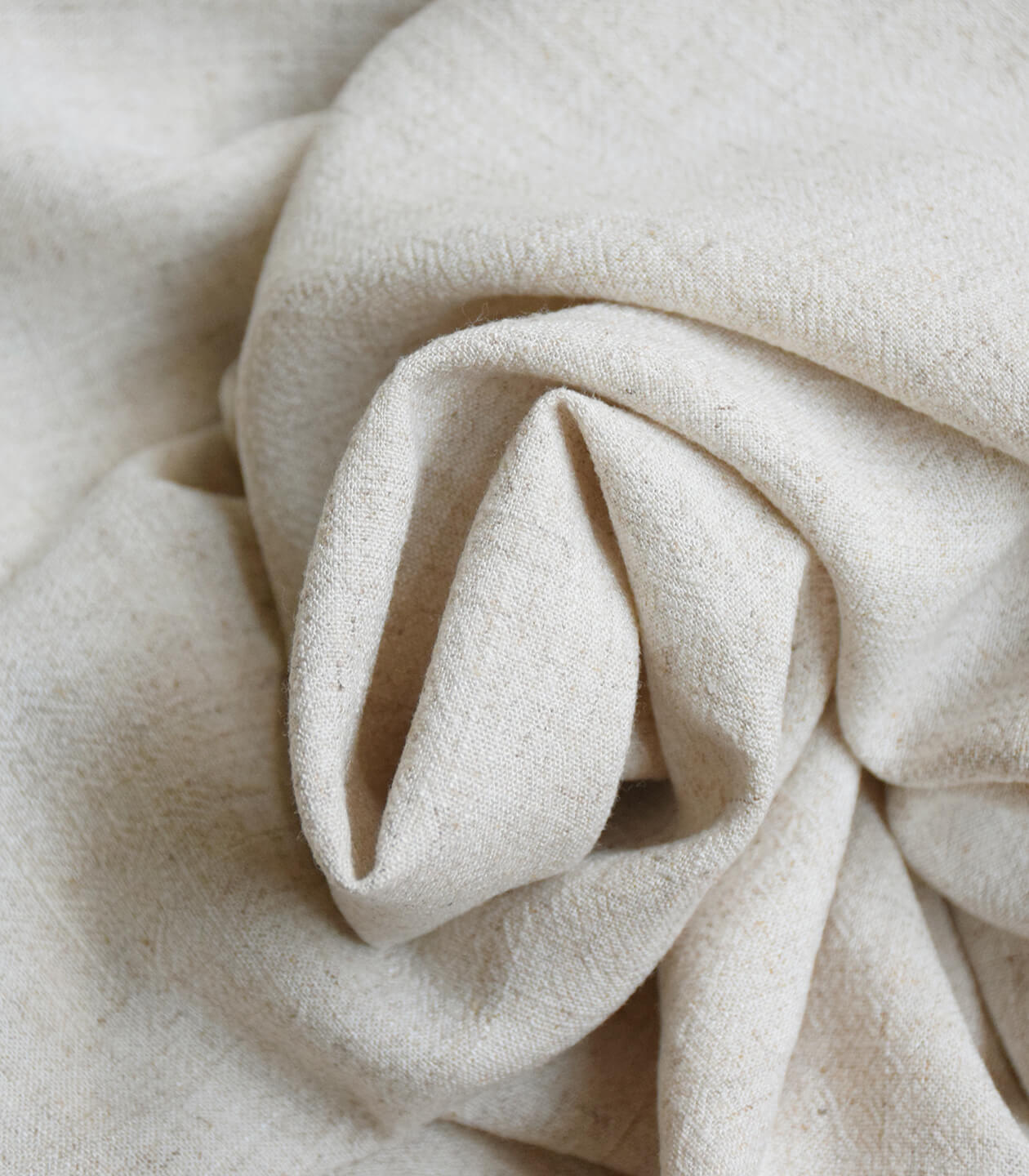
Linen is one of the most on-trend eco-friendly textiles thanks to its remarkable natural properties. A premium material par excellence, it instantly brings elegance and softness to your interior decor. Its strengths are numerous:
- Refined aesthetics: its authentic texture and chic appearance make it a popular choice in modern interior design.
- Increased durability: a sturdy fiber that tends to become softer after each wash.
- Natural temperature regulation: breathable, it adapts perfectly to the seasons, staying cool in summer and cozy when it is chilly.
However, linen has a few drawbacks that should not be overlooked:
- Prone to wrinkling: although this crumpled look is sought after for its relaxed chic effect, caring for it may require extra effort.
- Higher price: as a premium material, it costs on average 15% to 30% more than cotton at the same quality.
Choosing between cotton and linen will therefore depend mainly on your priorities: an accessible price, easier care or greater durability combined with a timeless, refined touch.
Polyester, leather, velvet: which fabric for a durable beanbag?
Choosing the right fabric for a beanbag is essential to ensure comfort, durability and aesthetics. Each type of fabric offers specific advantages depending on how you intend to use it. Discover the different options below to select the durable, suitable cover for your beanbag.
Polyester or microfiber: lightweight and easy to care for
Polyester and microfiber are two synthetic fabrics that are particularly well suited to family homes. Polyester stands out for its light weight, easy care and affordable price, while microfiber, which is very soft to the touch, provides remarkable comfort.
- Care : Easy to wash in the machine or clean with a damp sponge.
- Stain resistance : Good overall protection against stains, ideal for children.
- Durability : High resistance to daily rubbing (from 20,000 Martindale cycles for microfibre).
Genuine or faux leather: a comparison of luxury and durability
Choosing a genuine leather beanbag symbolises elegance and brings an inimitable touch of character to your interior. Faux leather is just as appealing, offering an affordable, vegan and easy-care alternative. Here is a quick comparison:
| Features | Genuine Leather | Faux Leather |
|---|---|---|
| Average durability | 10 to 15 years | Around 5 to 8 years |
| Maintenance required | Periodic conditioning with a special product | Easy cleaning with water and mild soap |
| Average beanbag price | High (between €200-400) | Affordable (between €70-200) |
Velvet: softness and chic style guaranteed
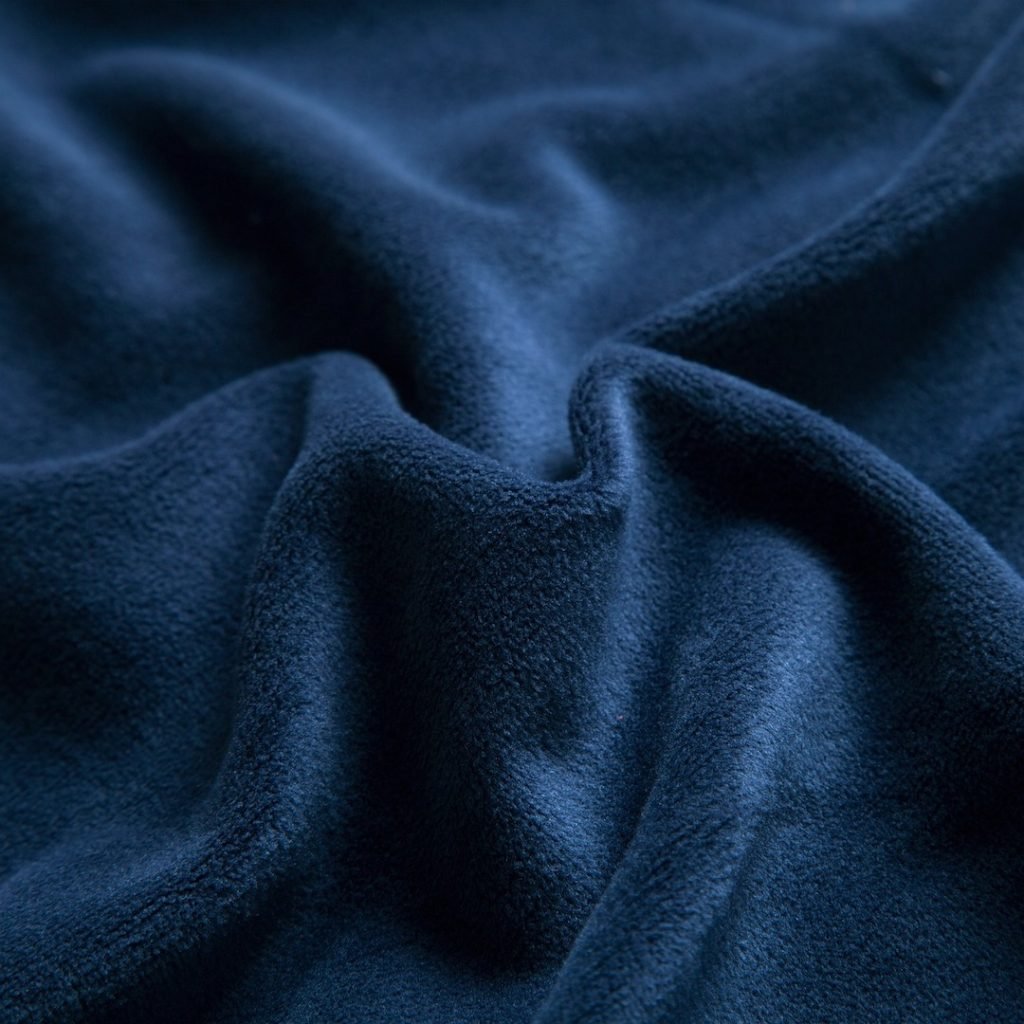
Velvet is making a strong comeback in our interiors thanks to its chic look and pleasant feel. Highly popular for adding style, it suits modern or vintage living rooms and offers several advantages:
- Comfort : Its exceptional softness offers a truly pleasurable tactile experience.
- Aesthetics : An elegant appearance, ideal for a refined interior.
- Durability and resistance : For plain velvet or corduroy, ideally choose a fabric with at least 30,000 Martindale cycles for intensive residential use.
Your choice of beanbag fabric will therefore depend on factors related to your lifestyle, budget and desired aesthetic. By carefully comparing each material and its characteristics, you will ensure your beanbag has a long life and provides optimal comfort.
Atelier's opinion: our ranking by use
There is no single “best” fabric, only the right fabric for your needs. In a busy living room with children or pets, we recommend corduroy or chenille: they are soft, resistant to rubbing and good at hiding minor marks. Linen and cotton are more elegant in a bedroom or quiet corner, but wrinkle and stain more easily.
Our most important advice: check the product page to see whether the cover is removable and how to care for it. This is often what determines whether a beanbag stays looking good for years, more than the fabric itself.
Our corduroy models, such as SYLVA and LUNA, and chenille models such as NELO, perfectly illustrate this balance between softness and everyday use.